- FASHION LABEL DESIGN
- ABOUT US
-
- Creative Product Accessories: Big Ideas in Small Details
- Customized Garment Accessories
- Every Stitch Holds Meaning: The “FLD” Embroidered Logo on the Trench Coat Reflects the Designer’s Altruistic Intent
- The Language of Materials: Notes from a Small-Scale Exploration of Garment Trims
- How the 3D LenticularPatch Factory Became the “Three-Dimensional Magician” Behind Leading Brands
- Lighting the Path of Fashion: Innovative Application of PVC Luminous Patches in Garment Accessories
- The Story Behind Silicone Patches: Craftsmanship and Color Magic from a Chinese Factory
- CONTACT US
- 2025 NEW SEASON INSPIRATION
Introduction: Accessories Are Not "Auxiliary"—They Are the Soulful Footnotes of a Product
In today’s era of consumer upgrades, product competition has gone far beyond functionality—it’s now a battle of emotions and experiences. When we talk about product design, the focus often falls on overall appearance, material selection, or innovative features, while the seemingly minor accessories—woven labels, rubber patches, leather tags, webbing, embroidery patches, and so on—tend to be overlooked. These so-called “second faces” of a product are in fact tangible expressions of a brand’s identity, and a secret weapon for adding value.
Product Analysis: A Journey of Craftsmanship from Technique to Material
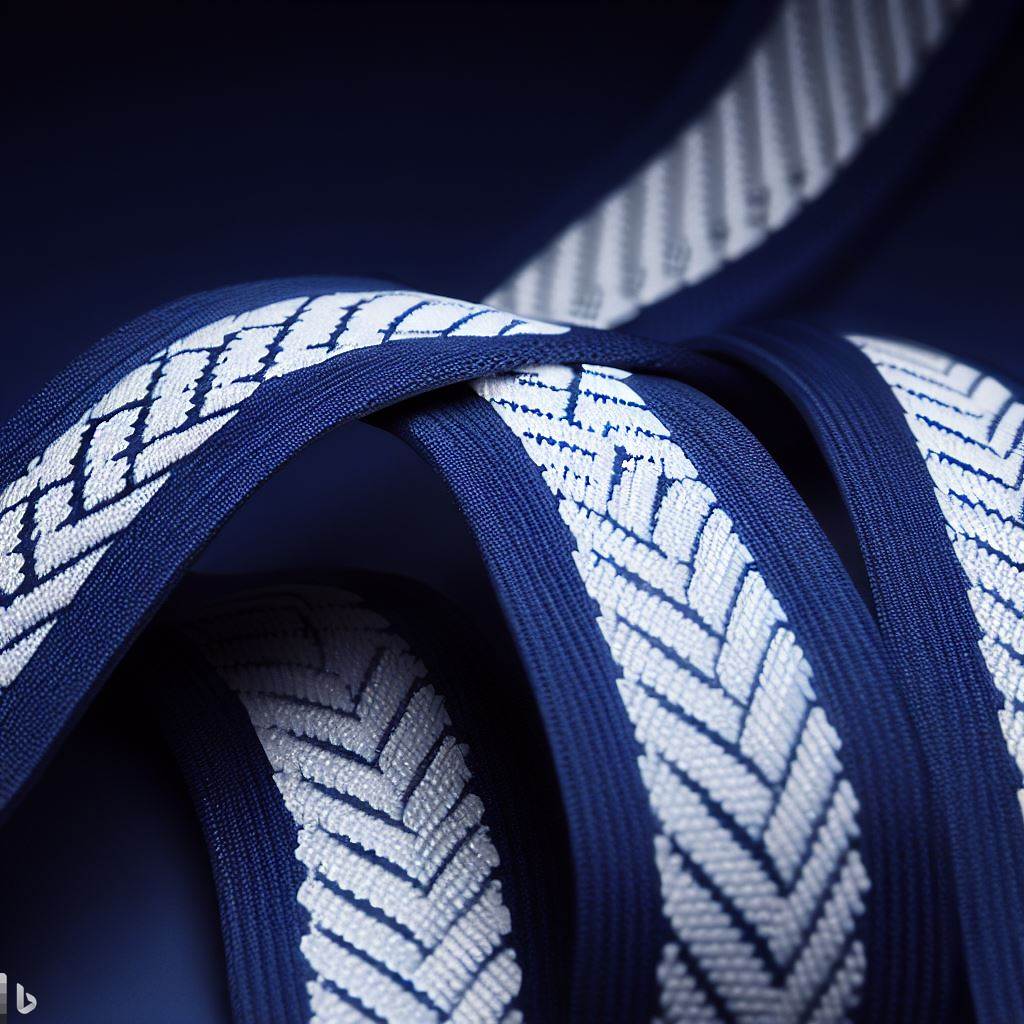
Webbing: Infinite Possibilities in a Simple Strap
Webbing may appear simple, but it holds rich potential. In terms of materials, webbing is moving toward eco-friendliness and functionality. Recycled polyester webbing (made from plastic bottles) is durable and aligns with sustainability values. Organic cotton webbing is soft and naturally pollutant-free, making it ideal for intimate apparel like underwear and children’s clothing. High-tech coated webbings with waterproof and windproof features add practical value to outdoor gear.
Leather Tags: Artistic Imprints on Leather
With their unique texture and sense of luxury, leather tags have become a top choice for many brands. Genuine leather tags (such as cowhide or sheepskin) offer natural grain and a warm feel, ideal for premium products. PU leather tags provide vibrant colors and varied surface finishes at a more affordable price point. Techniques like engraving, embossing, foil stamping, and silk-screening are used in production. Laser engraving allows for precise detailing, while foil stamping adds a metallic and luxurious feel.
In fashion, leather tags are often placed on collars, cuffs, or waistlines—not only as branding but also as symbols of quality. As personalization gains popularity, custom leather tags are trending, allowing businesses to tailor graphics and text to match their brand’s personality, turning the tag into a storytelling medium.
Embroidery Patches: Dimensional Aesthetics Through Needle and Thread
Embroidery patches, created by stitching designs onto base fabric, are highly expressive and three-dimensional. Traditional embroidery uses flat or satin stitches, while modern patches incorporate applique, sequin, and bead embroidery, delivering richer visual effects.
A new method—adhesive-applied embroidery patches—is quietly gaining traction. This involves spraying glue on the back of the patch to adhere it to the base, then stitching along the edges to secure it, and finally embroidering the central design. This technique prevents edge lifting or detachment, ensures style consistency, and enhances production efficiency.
Creative Applications: Crossovers and Integration of Accessories
Fashion: From Decoration to Functionality
In the apparel industry, accessories have gone beyond decoration to become essential design elements. Baroque-style webbing with intricate scrolls and floral motifs brings opulence and a retro flair to garments, while minimalist webbing with sleek lines and neutral tones adapts to various styles.
Sports brands, on the other hand, maximize functional accessories. Outdoor hats now feature upgraded adjusters and inner webbings, improving comfort, durability, and adaptability.
Cultural & Creative Products: Reviving Tradition in Modern Design
Embroidery, a traditional Chinese craft, is being revitalized through cultural and creative products. Designers now integrate embroidery into notebooks, bookmarks, keychains, and more—bringing this heritage into everyday life. Here, embroidery patches transcend decoration to become carriers of culture and emotion.
Home Décor: Quality in the Details
In home products, accessories can be the finishing touch. For example, decorative webbing on cushion edges enhances dimensionality and harmonizes with interior aesthetics. Leather tags often appear on high-end cushions or rugs, reinforcing a message of quality living.
Market Trends: From Function to Emotion
Sustainability Is Now Mainstream
With growing environmental awareness, consumers expect more from accessory materials. Recyclable and renewable materials, such as recycled polyester or organic cotton webbing, are gaining popularity. Meanwhile, eco-friendly reusable fasteners are becoming more common in the fast fashion sector.
Demand for Customization Is Rising
With Millennials and Gen Z becoming the main consumer force, personalized and custom accessories are in high demand. Brands can meet these needs by designing unique patterns, colors, and techniques to match different product identities.
Technological Innovation Drives Industry Upgrades
Technologies like smart manufacturing and digital transformation are reshaping the accessory industry. Smart equipment increases production efficiency and precision, while integrated supply chain platforms improve order response and shorten delivery cycles.
Design Inspiration: Small Accessories, Big Creativity
Focus on Details to Express Brand Identity
Accessories serve as a tangible embodiment of brand spirit. Brands should leverage them to convey their core values. For instance, eco-friendly brands might use recycled materials to emphasize sustainability, while luxury brands can highlight opulence through refined craftsmanship and premium materials.
Cross-Industry Fusion Expands Application Scenarios
Accessory applications should not be confined to traditional areas. Designers can explore integration with different materials and techniques to create novel product forms—for example, combining embroidery patches with 3D printing to produce dimensional ornaments, or merging webbing with LED lighting to develop fashionable, functional accessories.
Prioritize User Experience to Increase Value
Design should consider not just aesthetics but also user comfort. For example, leather tags on clothing should not be too stiff or thick to avoid skin irritation, and webbing should be sized and elasticated based on usage to ensure comfort.
Conclusion: Details Define Quality, Accessories Shape the Future
Creative product accessories, though small in size, contain boundless potential. They are the details that elevate a product, the visual language of a brand, the extension of design, and the vessel of emotion. In the tide of consumer upgrade, companies that innovate in accessories and emphasize quality in detail will stand out in fierce competition.
As design master Ludwig Mies van der Rohe once said: “God is in the details.” For any product, accessories are the detail where that “god” resides—and the soulful footnotes that bring a product to life.